AI-guided molecular & strain engineering for
a better world
The SynBioHub at Atria University brings together an AI models
platform, a wet lab and applied R&D to solve difficult problems
facing planetary and human health.
From joint, IP-generating partnerships — the Centre-of-Excellence model we're built for — through consultancy, to Lab- and Platform-as-a-Service.
Joint development & shared IP
Sponsor a named lab
Collaborative grants
Platform-as-a-Service
Lab-as-a-Service
Consulting & advisory
Research-as-a-Service
Why us
How we work
Led by real-world impact — the platform and the labs are how we get there.
A clear path to impact
We’re open to many ways of working and happy to co-define problems with partners — with one condition: a clear path to real-world impact.
A tight design–build–test loop
AI proposes, the wet lab tests, and results feed back into the models — so each cycle is sharper than the last.
A team with expertise and ambition
Scientists ex-IISc, ex-NCBS, ex-TIFR, with founder experience and over 30 years of cumulative industry experience — backed by Atria’s Life Sciences faculty.
Active partners
Partners we’re proud to build with
Ambitious organisations tackling meaningful challenges — and the real programmes we’re building together.
Plus a wider network of collaborators and organisations in discussion —
see who we work with →
Selected work
Featured projects
A sample of the applied problems we’re working on right now.
with MiniMines
Microbial recovery of battery metals
Engineering acidophilic microbes to bioleach and recover valuable metals from spent lithium-ion batteries — a low-energy route to circular battery supply chains.
Bioleaching & metal recovery Molecular & strain engineering
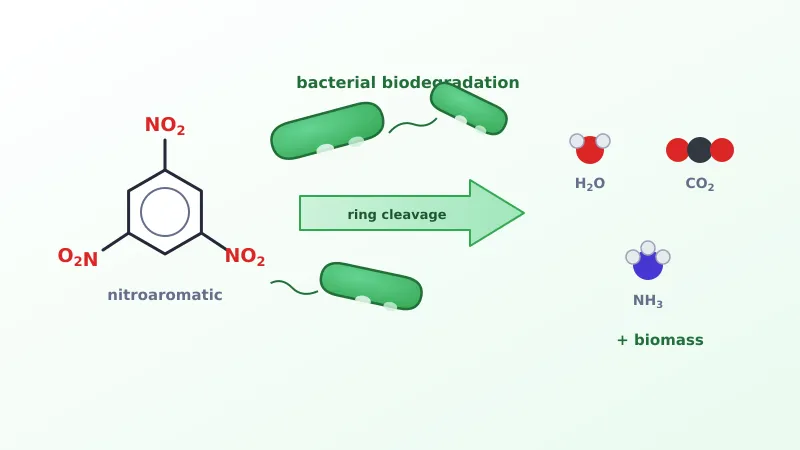
Bioremediation of chemical waste
Engineered microbial routes to treat and valorize chemical-waste streams — converting hard-to-treat effluents into lower-hazard outputs and recovered value.